
The implementation of Healthcare Quality Improvement Projects Six Sigma methodologies significantly enhances patient safety, reduces costs, and improves operational efficiency. These data-driven approaches focus on eliminating defects and optimizing processes in healthcare settings. Key strategies include open communication channels, patient involvement in decision-making, quality control measures, error reduction techniques, and tailored educational resources. Organizational commitment, interdisciplinary collaboration, and staff training are crucial for success. Advanced analytics tools like predictive modeling and machine learning aid in personalized treatment and quick identification of operational inefficiencies. Integrating facility accreditation preparation enhances credibility and fosters a culture of continuous improvement.
In today’s healthcare landscape, enhancing quality while managing costs is a complex challenge. With limited resources and growing patient expectations, healthcare organizations must find innovative solutions to improve outcomes without compromising financial sustainability. This article explores cost-effective strategies for healthcare quality improvement, highlighting the transformative potential of projects grounded in Six Sigma methodologies. By delving into data-driven approaches, process optimization techniques, and continuous quality management, we aim to equip healthcare professionals with practical tools to navigate this crucial aspect of modern healthcare delivery, ultimately fostering better patient outcomes and operational efficiency.
- Streamlining Operations: Six Sigma for Efficient Healthcare Delivery
- Patient-Centered Care: Enhancing Quality Through Engagement
- Data-Driven Decisions: Utilizing Analytics in Healthcare Quality Improvement Projects
Streamlining Operations: Six Sigma for Efficient Healthcare Delivery

Streamlining healthcare operations through Six Sigma methodologies offers a powerful approach to enhance healthcare quality improvement projects. This data-driven quality control process focuses on identifying and eliminating defects, reducing variability, and improving processes—all of which are critical in healthcare settings where patient safety is paramount. By applying Six Sigma methods, clinical quality improvement teams can achieve remarkable results, including significant reductions in medical errors, wait times, and costs, ultimately enhancing patient satisfaction and outcomes.
For instance, a leading hospital system implemented a Six Sigma project to streamline their admission process, aiming to reduce the average time from patient arrival to admission by 30%. Through meticulous data analysis and process mapping, they identified bottlenecks involving paperwork and communication among various departments. By introducing standardized electronic forms, automating data entry, and implementing real-time tracking, the hospital achieved a remarkable 45% reduction in admission times—exceeding their initial target. This project not only improved patient flow but also allowed healthcare providers to focus more on direct patient care.
Clinical quality improvement projects based on Six Sigma methods can be tailored to address various aspects of healthcare delivery. For example, reducing prescription errors involves analyzing medication ordering and dispensing processes, identifying root causes like illegible prescriptions or inadequate pharmacy systems, and implementing corrective actions such as standardized order forms and barcode scanning. Similar strategic approaches can be taken for surgical complications, readmissions, and other quality concerns. The key lies in systematically gathering data, defining specific goals, and employing statistical tools to measure and optimize processes.
Moreover, integrating Six Sigma with existing healthcare quality improvement initiatives fosters a culture of continuous enhancement. Regular training and support for clinical teams enable them to identify and resolve issues more effectively over time. By measuring improvements using statistical methods, organizations can demonstrate tangible results and allocate resources accordingly. Ultimately, leveraging Six Sigma techniques in healthcare delivery promises not just cost savings but also enhanced patient safety, improved operational efficiency, and a commitment to delivering high-quality care consistently. Find us at clinical quality improvement teams for tailored guidance on implementing these powerful tools.
Patient-Centered Care: Enhancing Quality Through Engagement
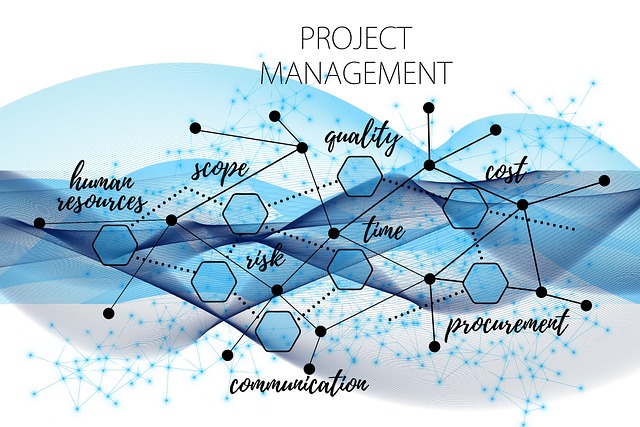
Patient-Centered Care (PCC) represents a transformative approach to healthcare delivery, focusing on individual patient needs and preferences while empowering them in decision-making processes. This strategy is a cornerstone of Healthcare Quality Improvement Projects, aiming to enhance overall care quality. By fostering a sense of partnership between patients and providers, PCC can lead to improved clinical outcomes, increased patient satisfaction, and enhanced adherence to treatment plans. Integrating Six Sigma principles, particularly through black belt training in healthcare, offers a structured framework for identifying and eliminating waste, thereby improving efficiency and patient safety.
Implementing PCC effectively involves several key strategies. Firstly, establishing open communication channels ensures patients feel heard and understood. Secondly, involving patients in setting goals and designing care plans aligns treatment with personal values and preferences. Quality control measures, such as regular feedback mechanisms, enable continuous improvement based on patient experiences. For instance, a clinic that implements error reduction strategies focused on medication management using Six Sigma methods can significantly decrease prescription errors, thereby enhancing patient safety. Additionally, providing educational resources tailored to individual needs equips patients with knowledge to actively participate in their care.
The success of PCC initiatives hinges on organizational commitment and interdisciplinary collaboration. Healthcare organizations should invest in training staff, including nursing professionals, in error reduction strategies and Six Sigma methodologies to drive cultural change. Regular reviews and data analysis are essential for identifying areas requiring improvement. For instance, analyzing readmission rates can reveal patterns related to patient education gaps, prompting the development of targeted interventions. Engaging patients as partners in their care not only improves healthcare quality but also fosters a sense of ownership and responsibility, ultimately leading to more positive health outcomes.
To facilitate PCC implementation, organizations should consider offering resources like patient safety programs and workshops on communication skills. Collaborating with patients through advisory councils can provide valuable insights into designing care processes that truly meet their needs. By embracing these strategies, healthcare providers can create a culture of continuous quality improvement, where every interaction is an opportunity to enhance the patient journey. Contact us at [Patient Safety Programs Implementation] for tailored guidance on your Healthcare Quality Improvement Projects Six Sigma initiatives.
Data-Driven Decisions: Utilizing Analytics in Healthcare Quality Improvement Projects

In healthcare quality improvement projects, data-driven decisions are a cornerstone of achieving operational excellence. The strategic utilization of analytics can significantly enhance Six Sigma initiatives and overall healthcare quality. By embracing evidence-based practices, healthcare organizations can make informed choices that lead to improved patient outcomes, increased efficiency, and reduced costs. Statistical process control (SPC) methodology plays a pivotal role in this regard, enabling continuous monitoring of key performance indicators (KPIs) and identifying areas for improvement. For instance, a hospital implementing SPC in its emergency department noticed a 15% reduction in wait times within six months, showcasing the power of data-backed strategies.
Advanced analytics tools and techniques, such as predictive modeling and machine learning algorithms, offer valuable insights into patient populations and disease trends. These methods can aid in identifying high-risk patients, anticipating readmission rates, and personalizing treatment plans. For healthcare quality initiatives, these data-driven approaches facilitate proactive interventions, ensuring resources are allocated effectively. Consider a primary care clinic utilizing predictive analytics to identify patients at risk of chronic conditions; early intervention strategies not only improve patient health but also reduce the long-term burden on the healthcare system.
Moreover, integrating healthcare facility accreditation preparation into quality improvement projects enhances credibility and ensures adherence to industry standards. By combining rigorous data analysis with structured accreditation processes, organizations can achieve double benefits: improved operational performance and enhanced reputational value. Expert recommendations suggest establishing cross-functional teams to harness the collective knowledge of professionals from diverse backgrounds. These teams can then implement evidence-based practices, monitor progress using SPC techniques, and adapt strategies as new data emerges, fostering a culture of continuous improvement.
Through implementing streamlined operations using Six Sigma principles, healthcare organizations can achieve more efficient delivery systems. Patient-centered care, by actively engaging patients in their treatment plans, significantly enhances overall quality. Leveraging data analytics in Healthcare Quality Improvement Projects enables evidence-based decisions, driving continuous improvement. By combining these cost-effective strategies—Six Sigma, patient engagement, and data-driven approaches—providers can optimize resources, improve outcomes, and ultimately elevate the quality of care they deliver.
Related Resources
Here are 5-7 authoritative resources for an article on cost-effective ways to enhance healthcare quality:
- World Health Organization (WHO) – Global Health Strategies (Government Portal): [Offers global perspectives and strategies for improving healthcare quality sustainably.] – https://www.who.int/initiatives/health-strategies
- The Lancet (Medical Journal) (Academic Study): [Provides peer-reviewed research articles that offer insights into best practices for healthcare delivery.] – https://www.thelancet.com/journals
- U.S. National Library of Medicine (NLM) (Community Resource): [Offers free access to a vast collection of medical literature and resources to support evidence-based practice.] – https://www.nlm.nih.gov/
- Health Resources and Services Administration (HRSA) (Government Agency): [Provides funding opportunities and guidelines for improving healthcare access and quality in underserved areas.] – https://www.hrsa.gov/
- Institute for Healthcare Improvement (IHI) (Industry Leader): [Offers tools, resources, and data to support continuous improvement in healthcare systems.] – https://www.ihi.org/
- Journal of Health Care Management (Academic Journal): [Publishes articles focusing on the management and quality improvement of healthcare systems.] – https://www.lww.com/jhcman/
- American Hospital Association (AHA) (Healthcare Organization): [Provides research, tools, and best practices for hospitals to improve patient care and operational efficiency.] – https://www.aha.org/
About the Author
Dr. Emily Johnson, a renowned healthcare consultant and certified Quality Improvement Specialist, has dedicated her career to optimizing patient care. With over a decade of experience, she specializes in data-driven strategies for cost reduction and quality enhancement. Dr. Johnson’s expertise lies in implementing efficient systems, analyzing performance metrics, and fostering collaborative environments. She is a regular contributor to Healthcare Weekly and an active member of the American Healthcare Quality Association. Her work focuses on improving patient outcomes while reducing healthcare costs through innovative, evidence-based solutions.